Preparing Yourself for a Cancer Screening Test
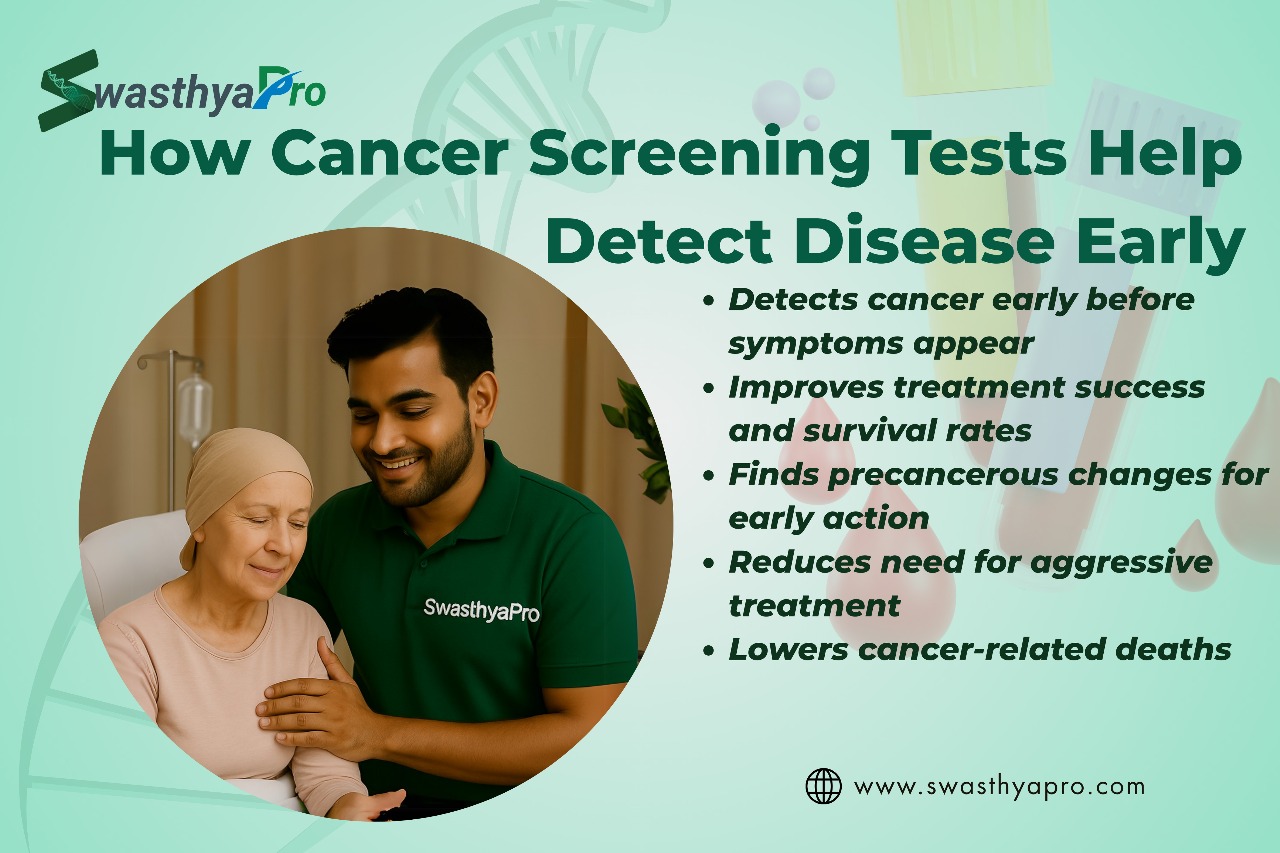
A cancer screening test can feel intimidating, especially if it’s your first time. Many people experience anxiety before their appointment, often due to fear of results or uncertainty about the procedure itself. However, understanding what to expect and how to prepare can make the process smoother and less stressful.
This article will guide you through how to prepare for a cancer screening test, what happens during the process, and why it’s an important step in maintaining your long-term health.
Why Preparation Matters
Preparing well for a cancer screening test helps ensure accurate results and a more comfortable experience. Certain tests require specific steps before the procedure, such as fasting or avoiding certain medications. In addition, being mentally prepared reduces stress and helps you approach the screening with confidence.
Understanding the Type of Screening You Need
Different cancers require different tests, and each comes with its own preparation guidelines. Some of the most common cancer screening tests include:
Mammogram – X-ray of the breast to detect breast cancer.
Pap smear or HPV test – For cervical cancer detection.
Colonoscopy – To check for colon cancer and remove polyps.
PSA blood test – Measures prostate-specific antigen for prostate cancer risk.
Low-dose CT scan – For lung cancer in smokers or ex-smokers.
Skin exam – To detect early signs of skin cancer.
Knowing which cancer screening test you’re scheduled for will help you follow the right preparation steps.
Steps to Prepare for a Cancer Screening Test
1. Follow Dietary Instructions
Some screenings, like a colonoscopy, require fasting or a special diet the day before. For example, you may need to avoid solid foods and drink only clear liquids. Following these instructions carefully is essential for accurate results.
2. Adjust Medications if Needed
Your doctor may ask you to stop certain medications, such as blood thinners, before a cancer screening test. Always check with your healthcare provider before making any changes.
3. Wear Comfortable Clothing
For tests like a mammogram or skin exam, wearing loose, easy-to-remove clothing helps. You may be asked to change into a gown, so dressing comfortably makes the process easier.
4. Bring Medical History Records
If you’ve had previous screenings, bring the reports. Comparing results helps doctors see changes over time. A detailed medical history also helps in personalizing your cancer screening test plan.
5. Stay Hydrated
Some screenings require a full bladder (like certain pelvic exams). Make sure you follow your doctor’s hydration instructions.
Mental Preparation Before the Test
A cancer screening test can bring emotional stress. It’s natural to feel nervous, but preparing mentally can help:
Educate Yourself: Understand what the test involves. Knowing the steps reduces uncertainty.
Stay Positive: Remember, screenings are preventive. Even if something unusual is found, early detection means better treatment options.
Relaxation Techniques: Practice deep breathing, meditation, or listening to calming music before your appointment.
What Happens During the Test
Each cancer screening test is different, but most are quick and painless:
Mammogram: Your breast is placed between two plates and gently compressed for X-rays. Discomfort may last a few seconds.
Pap Smear: A small sample of cells is collected from the cervix. Slight pressure may be felt, but it’s not usually painful.
Colonoscopy: You’ll be sedated, and a camera checks your colon for polyps. Many people don’t remember the procedure afterward.
PSA Test: A simple blood draw.
Low-Dose CT Scan: You lie still on a table while the machine takes detailed lung images.
Doctors and nurses explain each step so you know what to expect throughout the cancer screening test.
After the Screening
Once the cancer screening test is complete, your doctor will guide you on next steps:
Normal Results: You continue routine screenings at recommended intervals.
Abnormal Results: Doesn’t always mean cancer—further tests may be required for confirmation.
Lifestyle Advice: Doctors may recommend diet, exercise, or quitting smoking to reduce cancer risk.
Tips to Make the Process Easier
Book your appointment at a convenient time to avoid rushing.
Bring a family member or friend for support, especially for more involved procedures.
Write down questions for your doctor so you feel more informed.
Treat the cancer screening test as part of your regular health routine, not something to fear.
Conclusion
Preparing for a cancer screening test involves more than just showing up—it’s about understanding the procedure, following instructions, and approaching it with the right mindset. From dietary changes to emotional readiness, small steps can make the experience much easier.
Remember, a cancer screening test is not meant to scare you—it’s a proactive step in preventive healthcare. Even if the results require further testing, early detection gives you the best chance at successful treatment. By preparing well and following your doctor’s advice, you’re investing in a healthier future.


